
Reviewed · HADRIAN'S WALL DAY TRIPS
Hadrian’s Wall: Chesters Roman Fort and Museum Entry Ticket
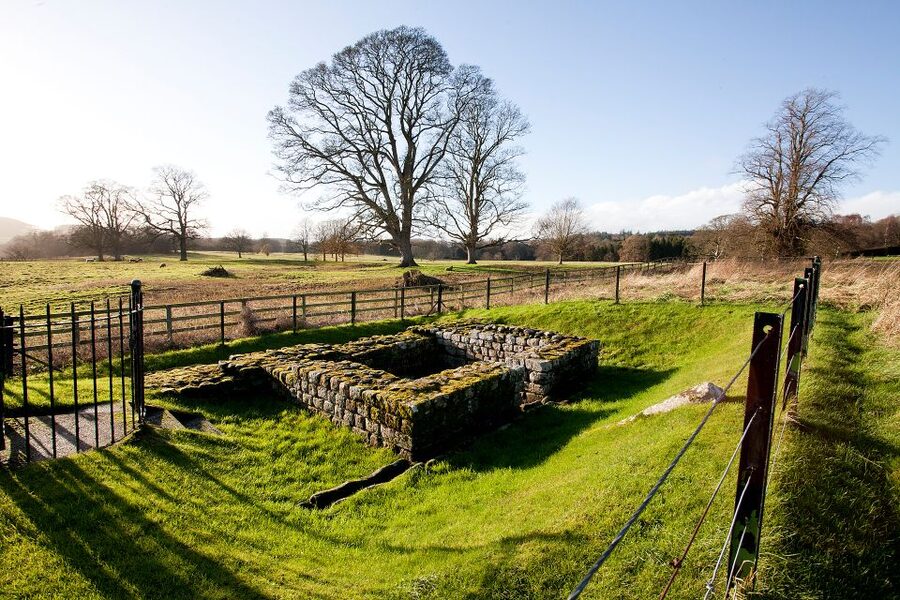
What makes Chesters such an interesting stop is how much of a Roman world survives here, right down to a bathhouse that still feels designed for real people, not just display. I especially like two things: the British reputation is earned by the best-preserved military bathhouse, and the museum’s collection of Roman objects and inscriptions brings the Wall’s daily life into focus. The main drawback to keep in mind is that value can feel uneven if you get caught with extra costs like parking, or if you want a faster in-and-out visit.
Chesters is also a smart entry point for anyone tackling Hadrian’s Wall, because the fort layout helps you connect buildings to routines. In the Clayton Museum, you’ll get a fact-first experience through an e-reader, plus context on the Victorian lawyer John Clayton, nicknamed the Savior of the Wall. Go in with comfortable shoes and a little time, and this place clicks fast.
Key highlights you will actually feel on arrival
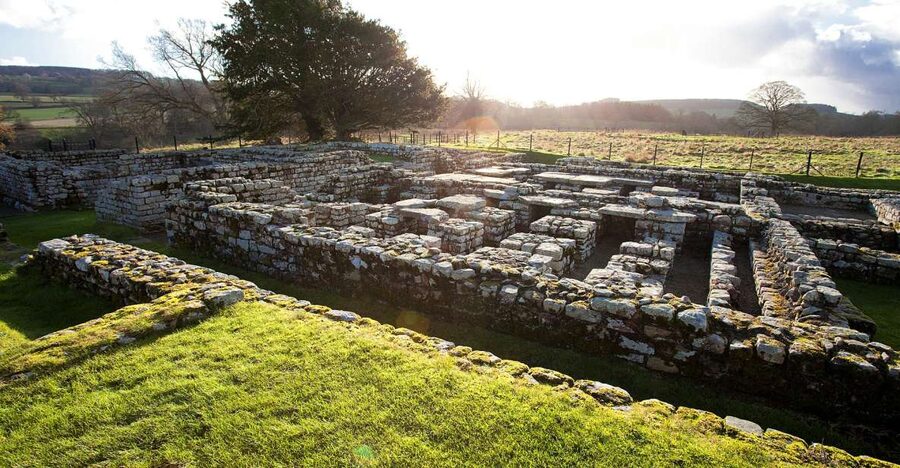
- A top-tier Roman military bathhouse with hot, cold, and steam rooms that are unusually well preserved
- Clayton Museum on your terms thanks to an e-reader for fast, on-the-spot facts
- Digital reconstructions that explain how cavalry soldiers lived, including rooms shared with horses
- A complete cavalry fort feel with headquarters, courtyard, hall, and regimental shrine to map onto real routines
- A Commandant’s House ruin that hints at power, status, and everyday contrast in the garrison
Why Chesters Roman Fort feels different from other Roman sites
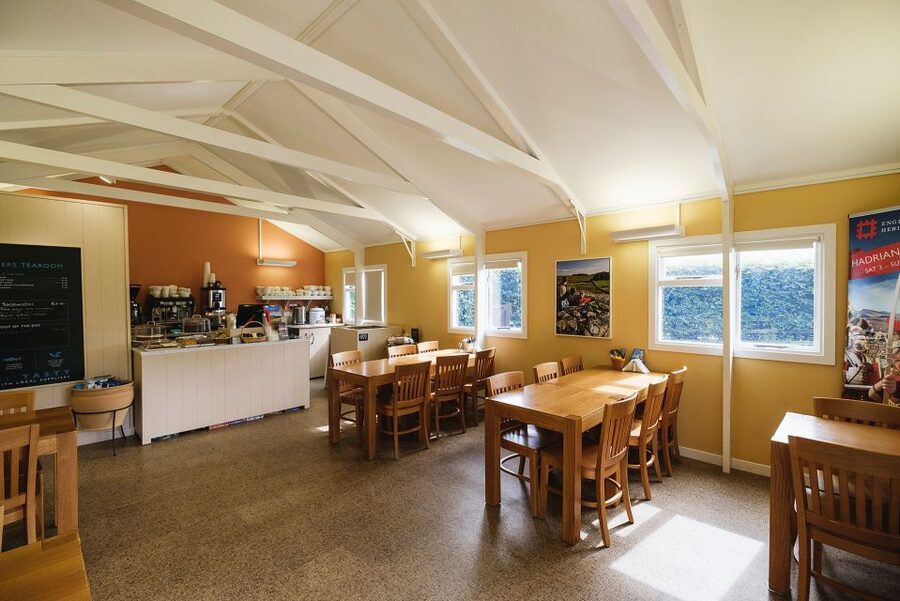
Chesters Roman Fort sits in Northumberland in the wider Hadrian’s Wall region, and it has one big advantage over many ruins: it is unusually complete in terms of layout and survival. This is not just walls and scattered stones. Chesters is the most complete Roman cavalry fort in Britain, so when you walk the grounds, you can actually picture what kind of unit lived here and why.
That matters because cavalry life was different from infantry. Horses were part of the daily rhythm, not an afterthought. When you see the space that cavalrymen used, and when you understand how rooms were shared, the whole site stops being abstract. It becomes practical and human.
Also, the fort is right by the North Tyne, and that setting helps you slow down. The bathhouse area especially works as a kind of study spot, because you can stand in the place where soldiers once went to unwind, then look around with the museum facts fresh in your mind.
More Hadrian's Wall day trips:
- Rosslyn Chapel and Hadrian’s Wall Small Group Tour from Edinburgh
★ 5.0 · 673 reviews - Hadrian’s Wall & The Borders Tour from Edinburgh Incl. Admission
★ 5.0 · 607 reviews - Rosslyn Chapel and Hadrian’s Wall Small Group Day Tour
★ 4.8 · 289 reviews
Entering the fort and using your fort takeover trail sheet
Your ticket gets you into Chesters Roman Fort and the Museum, and it is valid for 1 day. Plan to arrive with weather-appropriate clothing and comfortable shoes, because you will be walking around stone surfaces, courtyards, and museum spaces. The site has wheelchair accessibility, which is reassuring if you use a mobility aid.
Here’s the smart way to do it: start with the materials that help you make sense of the ruins. At admissions, pick up a fort takeover trail sheet. This gives you a simple route idea so you do not wander past important parts without realizing it. The trail also helps you connect buildings to what you are seeing, like headquarters spaces, the courtyard area, and the more ceremonial-feeling parts like the regimental shrine.
While the main experience is mostly self-directed once you have your kit, that is not a bad thing. It means you control the pace. If you want to linger near the bathhouse details, you can. If the museum is calling first, you can pivot.
One time issue that matters: last entry depends on the season. During the summer season (April 1 to October 29), last entry is at 4:00 PM. During the winter season (October 30 to March 31), last entry is at 3:00 PM. If you are trying to pack this into a busy trip day, aim to arrive earlier rather than treating the end time like a suggestion.
Clayton Museum and the e-reader, where John Clayton ties it together
The Clayton Museum is where your visit gets organized. Instead of reading one long wall of text, you pick up an e-reader and get facts on demand as you move through the galleries. This is one of those small touches that makes a big difference. You can check details while you are still looking at the objects, so the site stays connected.
The museum experience is also built around real finds, Roman objects and inscriptions discovered at the fort and along Hadrian’s Wall. That is useful because you are not just learning about Rome in general. You are learning what actually turned up in this exact place, which makes the story feel grounded.
Then there is John Clayton, the Victorian lawyer tied to the Wall’s preservation and understanding. He’s known as the Savior of the Wall, and the museum’s story explains why his efforts mattered. The museum first opened in 1896 for the Trustees of the Clayton Collection, and some of its original Edwardian display cabinets are still part of the experience. That combination of old display style plus new presentation is a nice reminder that heritage work is ongoing, not frozen in time.
One practical tip: use the e-reader in the museum first, then carry that context out to the fort. When you come back to the ruins after learning what the objects were and why they were important, you will spot details faster.
The Roman military bathhouse, where you can feel the comfort

If you only remember one part of Chesters, make it the Roman bathhouse. It is billed as Britain’s best preserved military bathhouse, and once you are there, it is easy to see why. This is not a vague ruin. You are looking at a complex that includes hot, cold, and steam bathing spaces.
The story behind the bathhouse adds another layer. These were places for weary soldiers to relax, and they were originally from Northern Spain. That detail matters because it shifts your view from Roman as a single identity to Roman as a mix of people moved across distances for the empire’s needs.
Think about how soldiers used this. It was not a luxury spa. It was functional recovery. They exercised or guarded, then came here to reset physically and mentally. When you visit, take a minute to stand in the bathhouse zone and scan the spaces before you read more. Then let the e-reader or museum guidance turn those spaces into steps of a routine.
Also, the tranquil riverside setting helps you understand why bathing was more than hygiene. The whole place encourages stillness. That makes it a good stop even if your Roman knowledge is limited. You do not need to be a scholar to appreciate the design and the way it is preserved.
More museums and galleries in Edinburgh:
- Edinburgh The King’s Gallery Entrance Ticket
★ 4.3 · 54 reviews - Perth: The Black Watch Castle and Museum Entry Ticket
★ 4.8 · 5 reviews
Digital reconstructions of barracks life, including horses
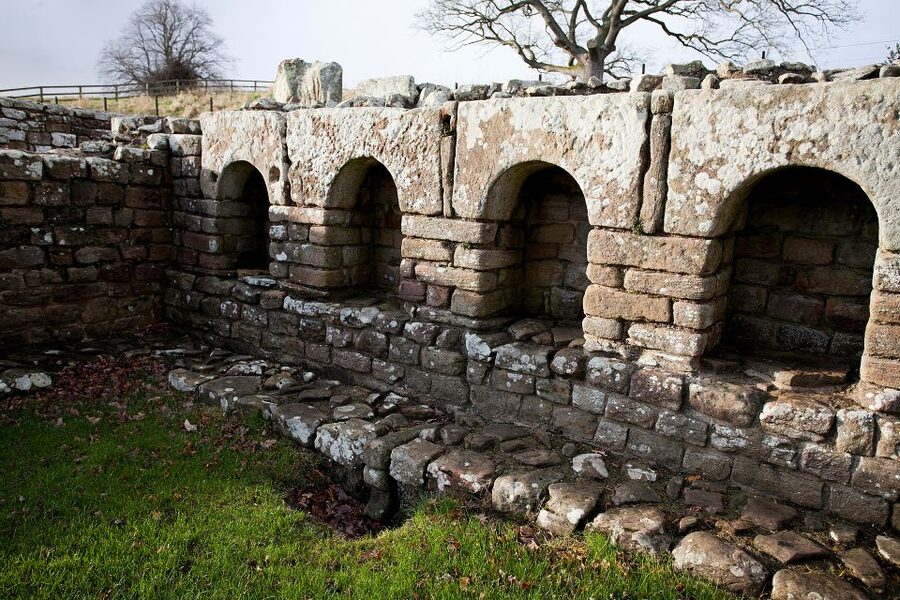
One of the most helpful parts of the Chesters experience is the use of digital reconstructions. These do not replace looking at the remains, but they help you build the missing pieces in your mind.
A highlight is seeing reconstructions of rooms such as the barrack block, where cavalrymen shared space with their horses. That is the kind of detail that instantly makes the site feel real. Instead of thinking of horses as outside the story, you get the sense that horses were integrated into everyday living.
As you explore, use these reconstructions like a map for your eyes. First look at what’s physically there. Then check the reconstruction so you understand scale and arrangement. When you do it in that order, the virtual layers make sense rather than feeling like an explanation tacked on after the fact.
Headquarters, courtyard, hall, and the regimental shrine
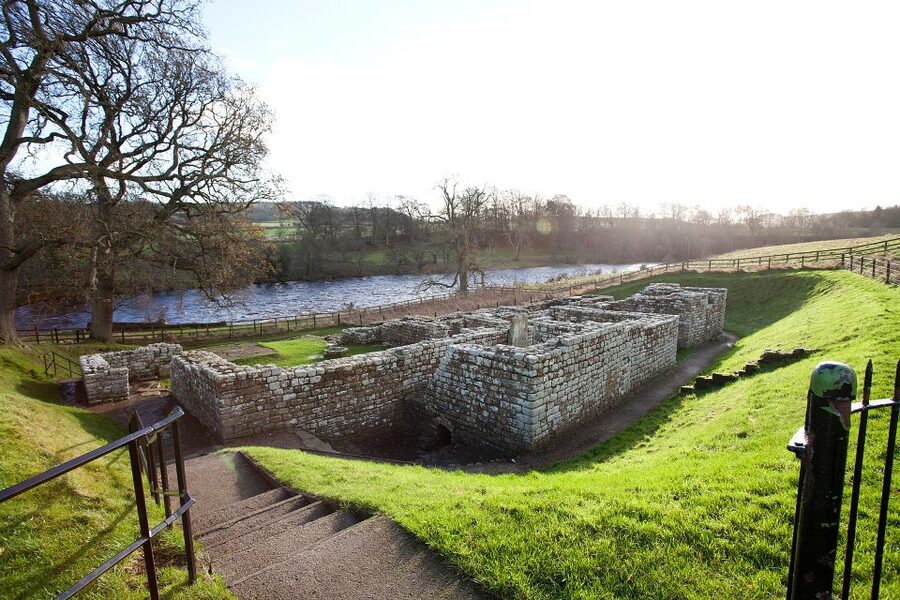
Once you’ve built context in the bathhouse and museum, the rest of the fort reads more clearly. Chesters includes the headquarters building and courtyard, a hall, and the regimental shrine. These are not random points on a walking loop. They represent how a garrison functioned.
The headquarters area helps you understand command and coordination. The courtyard gives you a sense of how open space worked in daily movements. The hall and regimental shrine add a different tone, because they suggest ceremony, structure, and identity. In other words, the fort was not only about sleeping and bathing. It was about order, discipline, and being part of something larger.
As you walk, keep asking yourself a simple question: what job does each space do? That keeps you from just sightseeing ruins. It turns the visit into a practical understanding of how Roman military life operated in this northern outpost.
Commandant’s house ruins, the contrast you should not miss
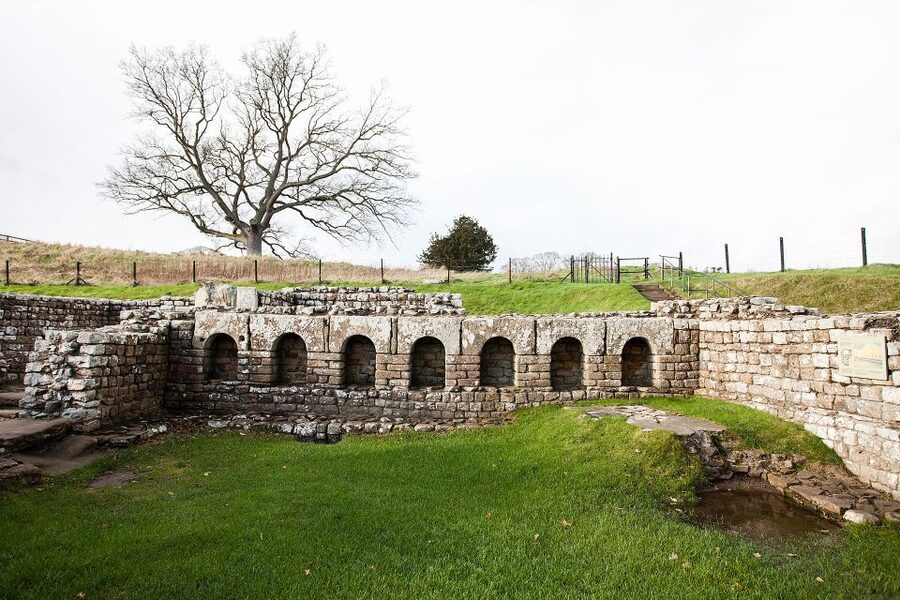
A special stop at Chesters is the ruins of an elaborate and luxurious commandant’s house. That contrast is important. Military forts can blur into a single mood if you only focus on soldier spaces. The commandant’s house pulls you into the hierarchy of the site.
Even if the ruins are fragmentary, the idea is clear: the commandant’s living space was built to signal status. When you see this after the baths, it also creates a nice emotional arc. You understand relaxation and daily comfort at the soldier level, then you see how leadership lived differently.
This is also where I think a lot of visitors will get the most out of that e-reader and trail sheet again. The fort’s layout has multiple layers, and it helps to have some guidance to notice what the site is pointing you toward.
Tearooms break and stottie cake, a very Northumbrian finish
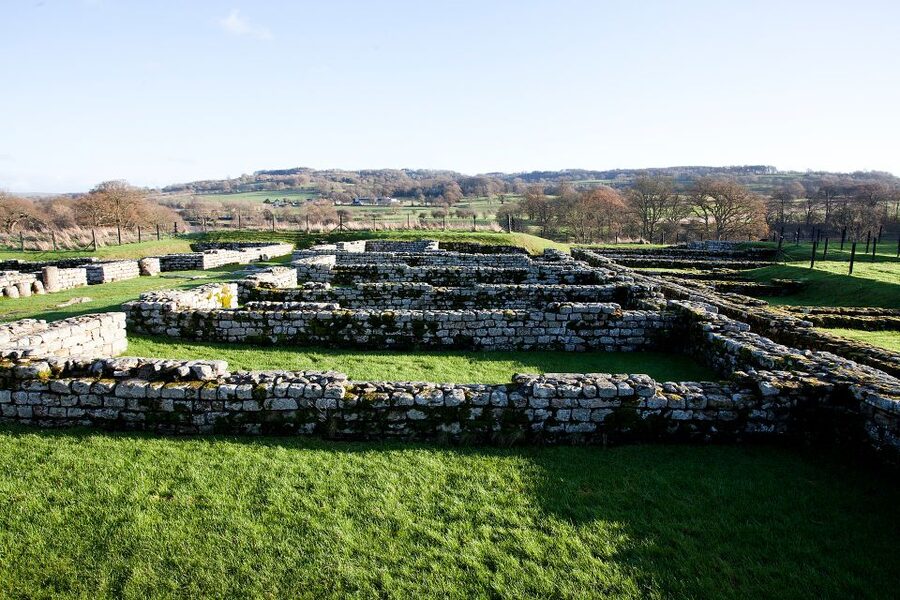
After you walk the fort, stop at the Chesters tearooms to refuel. The food offering is light lunches made from locally sourced ingredients, plus sweet treats and hot and cold drinks. That matters because a Roman fort day can be tiring, and you want a place where you can eat without turning it into a long detour.
Try the stottie cake if you can. It’s a classic Northumbrian choice, and it makes a fun final link between the historic site and local life now. If the weather is damp, a warm drink and a proper bite can make the whole day feel more comfortable and less rushed.
Price and value, what $13 gets you and when it might sting

The ticket price is listed at $13 per person, and that includes entry to both Chesters Roman Fort and the Museum. That is the key value point. You are not paying for just a walk through ruins and calling it done. You are paying for a full experience with museum context, Roman objects and inscriptions, and the e-reader support that helps you interpret what you see.
That said, value depends on your expectations. If you are expecting a long, heavily guided tour experience, you may find you want more structure. If you are trying to squeeze this in late in the day, you could end up feeling rushed because last entry gets early in both seasons. And if you add costs like parking, the total spend can climb quickly.
One of the best ways to protect value is timing. Arrive early enough to enjoy both the bathhouse and the museum without sprinting. Then spend your money where it actually pays off: at the museum, where the e-reader makes the story stick, and at the bathhouse, where preservation lets you see why Romans built these spaces the way they did.
Who should book Chesters Roman Fort and Museum
Chesters is a strong pick if you like Roman sites that still feel understandable, not just scenic. It is especially good for people who enjoy the practical side of history: daily routines, buildings with jobs, and how people used space.
It also fits well for couples who want a calm walking day. The fort has a strong sense of flow, and the bathhouse is a centerpiece that works even if you are visiting for the first time. If you are planning a longer Hadrian’s Wall day trip, Chesters is a useful launching place because it gives you a clearer baseline for what you’ll see elsewhere along the Wall.
Families can also make it work. There is a family ticket option that applies to 2 adults only plus up to 3 children aged 5 to 17. That is helpful if you are traveling as a unit and want to keep costs under control.
FAQ
FAQ
How long is Chesters Roman Fort and Museum entry valid?
The ticket is valid for 1 day, so you can plan your visit within that timeframe.
What is included with the ticket?
Entry includes Chesters Roman Fort and the Museum.
What is the last entry time in summer?
During the summer season (April 1 to October 29), the last entry is at 4:00 PM.
What is the last entry time in winter?
During the winter season (October 30 to March 31), the last entry is at 3:00 PM.
Is the site wheelchair accessible?
Yes, the experience is wheelchair accessible.
Is there a family ticket?
Yes. The Family Ticket is valid for 2 adults only and up to 3 children age 5 to 17.
What should I bring to the fort?
Bring weather-appropriate clothing and comfortable shoes.
Is there an e-reader at the museum?
Yes. You can pick up an e-reader to get facts as you explore the Clayton Museum.
Can I cancel if plans change?
Yes. There is free cancellation with a full refund if you cancel up to 24 hours in advance.
Is there a small group option?
Yes, there is small group available.
Should you book Chesters Roman Fort and Clayton Museum?
If you want Roman history you can actually walk through and understand, book it. Chesters gives you a rare mix: a preserved military bathhouse, museum context with an e-reader, and fort buildings that map onto daily routines. It’s also great for building confidence before you tackle other Hadrian’s Wall stops, because you leave with a clearer sense of what a Wall garrison was like.
Skip it only if you are aiming for a very fast visit, or if your main goal is a highly structured guided lecture. For everyone else, this is a satisfying, value-focused admission that turns ruins into lived-in places.
Recently reviewed around Edinburgh
- Private Glencoe Driving Tour from Edinburgh★ 5.0 · 51 reviews
- Private Edinburgh City Half-Day Tour★ 5.0 · 65 reviews
- The 10 Tastings of Edinburgh With Locals: Private Food Tour★ 4.5 · 71 reviews
- Privately Guided Day Tour of Glasgow in Luxury Minivan★ 5.0 · 17 reviews
- Edinburgh Unveiled: Luxury Private Driving Tour of Edinburgh★ 5.0 · 9 reviews
- Private Edinburgh & Rosslyn Chapel Tour★ 5.0 · 5 reviews
- Private Edinburgh driving tour★ 5.0 · 6 reviews
- Privately Guided Day Tour of Edinburgh in Luxury Minivan★ 5.0 · 3 reviews
Hadrian's Wall Day Trips, side by side.
Rosslyn Chapel and Hadrian’s Wall Small Group Tour from Edinburgh
Read our review →
Hadrian’s Wall & Roman Britain 1-Day Tour from Edinburgh
Read our review →
Hadrian’s Wall & The Borders Tour from Edinburgh Incl. Admission
Read our review →
Rosslyn Chapel and Hadrian’s Wall Small Group Day Tour
Read our review →
Hadrian’s Wall: Housesteads Roman Fort Entry Ticket
Read our review →
Hadrian’s Wall: Birdoswald Roman Fort Entry Ticket
Read our review →
Lists this tour turns up in